
A member of


Retail Paint Point-of-sale (POS) systems have revolutionized the way consumers purchase custom paint colors. By integrating advanced color testing instrumentation and quality control software directly into these workflows, paint retailers can ensure consistent, high-quality results while providing a seamless customer experience. This article explores the key components and benefits of incorporating sophisticated color management technology into POS paint systems.
Color accuracy is paramount in the paint industry. In today's competitive retail paint market, ensuring accurate color matching and consistent quality is crucial for customer satisfaction and brand loyalty. Customers expect the paint they purchase to match their desired color precisely, whether it's for touching up existing walls or creating a new color scheme. Even slight variations can lead to customer dissatisfaction and costly returns.
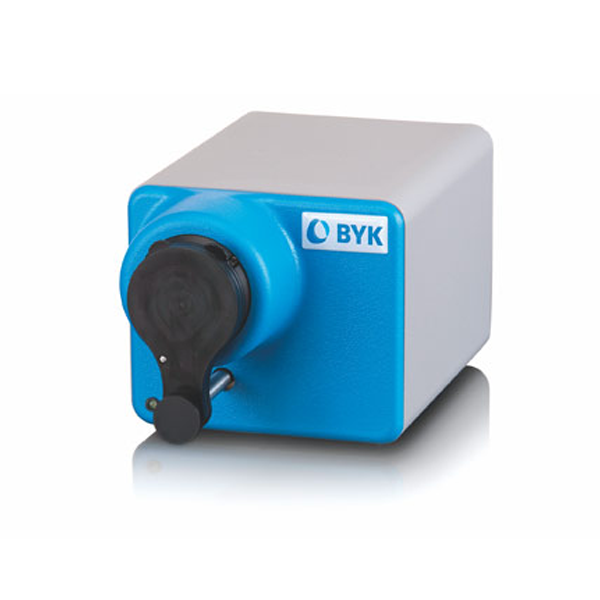
At the core of any color testing system is a spectrophotometer. These instruments measure the reflectance of light across the visible spectrum, providing a precise numerical representation of color. For retail paint stores, compact and affordable benchtop spectrophotometers like the BYK auto-match IV Spectrophotometer is ideal. This instrument offers reliable desktop color measurement for retail environments.
Advanced color matching software is essential for translating spectrophotometer readings into actionable formulas. Solutions like Byk's RCS II Retail Paint POS Software expedites and refines the retail paint selection process. This software can quickly analyze a color sample and provide a quick and mistake-free look-up of any color formulation in your database eliminating waste and formulation errors. With color match as the foundation, the RCSII system measures uptime and ensures equipment is properly maintained while reducing mis-tints, increasing profits, and providing data-driven feedback. The system links together the entire paint center, then measures and analyzes system operations for efficiency and cost-savings.
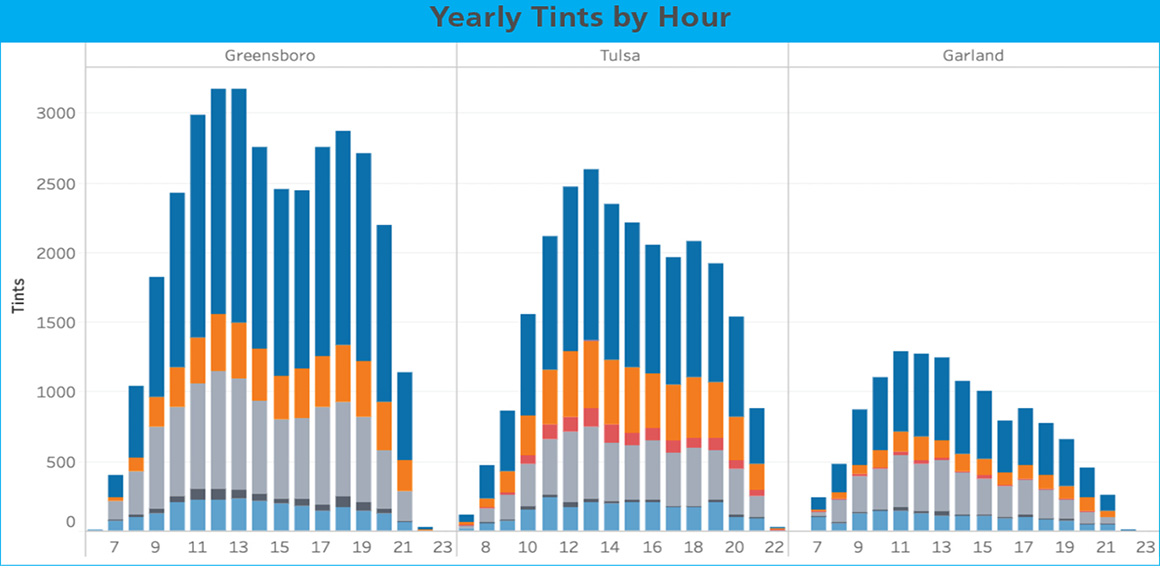
When a customer brings in a color sample, the first step is to analyze it using the spectrophotometer. This provides an objective, numerical representation of the color.
The color data is then fed into the color matching software, which generates a precise formula for reproducing the color using the store's available paint bases and colorants.
Before mixing the paint, a quality control check ensures that the bases and colorants are within specification. This step helps prevent issues caused by out-of-spec materials.
After mixing the paint according to the generated formula, a sample is taken and measured again with the spectrophotometer to verify that it matches the original color within the set tolerances.
The final mixed paint is compared to the original sample under standardized lighting conditions, allowing the customer to visually confirm the match.
Integrating color testing and quality control instrumentation into the point-of-sale workflow offers numerous benefits:
In today's competitive retail paint market, ensuring accurate color matching and consistent quality is crucial for customer satisfaction and brand loyalty. By integrating paint color testing and quality control instrumentation into a point-of-sale workflow, paint retailers can significantly enhance their operations and customer experience. By leveraging technology to ensure color accuracy and consistency, paint retailers can enhance customer satisfaction, reduce waste, and gain valuable insights into their operations. As the industry continues to evolve, such integrations will likely become standard practice, setting new benchmarks for quality and service in the retail paint sector.


